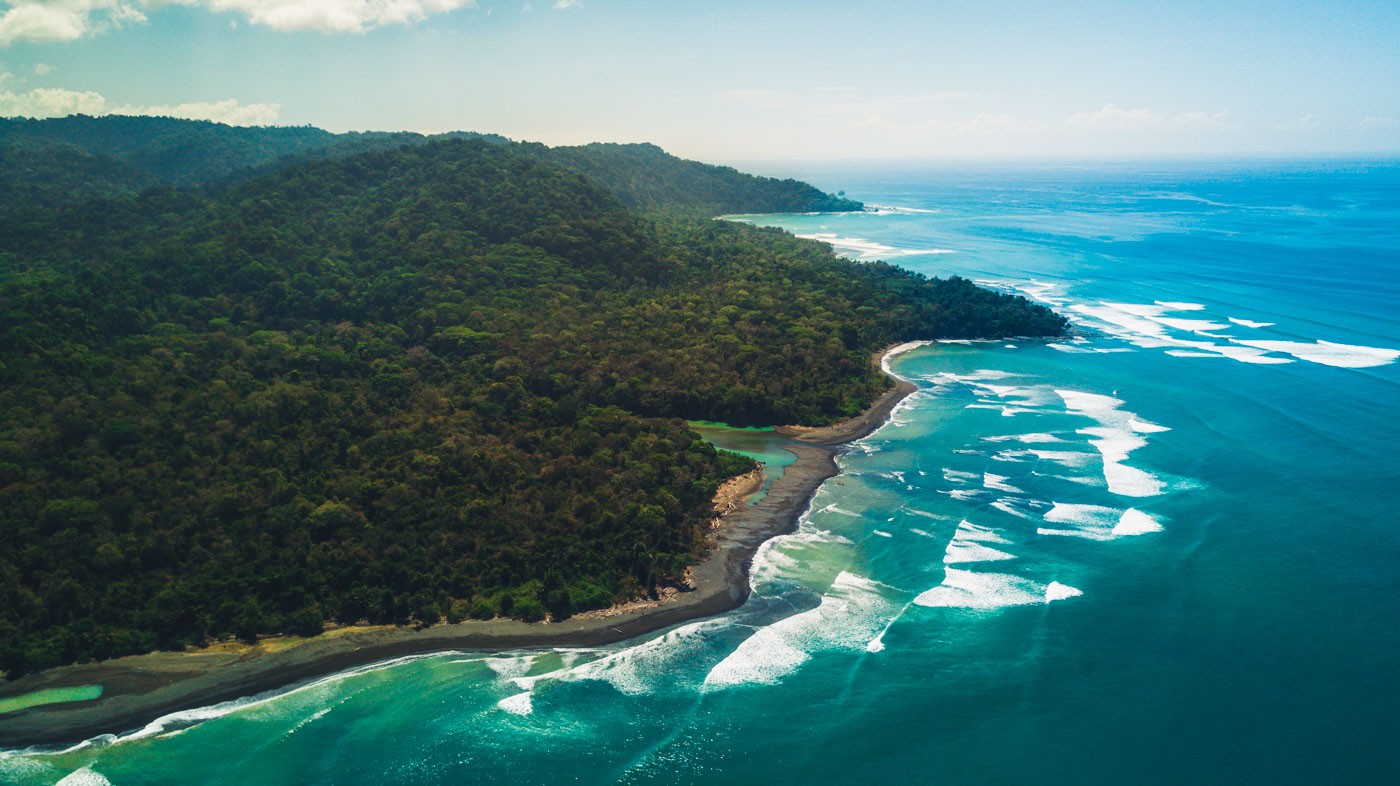
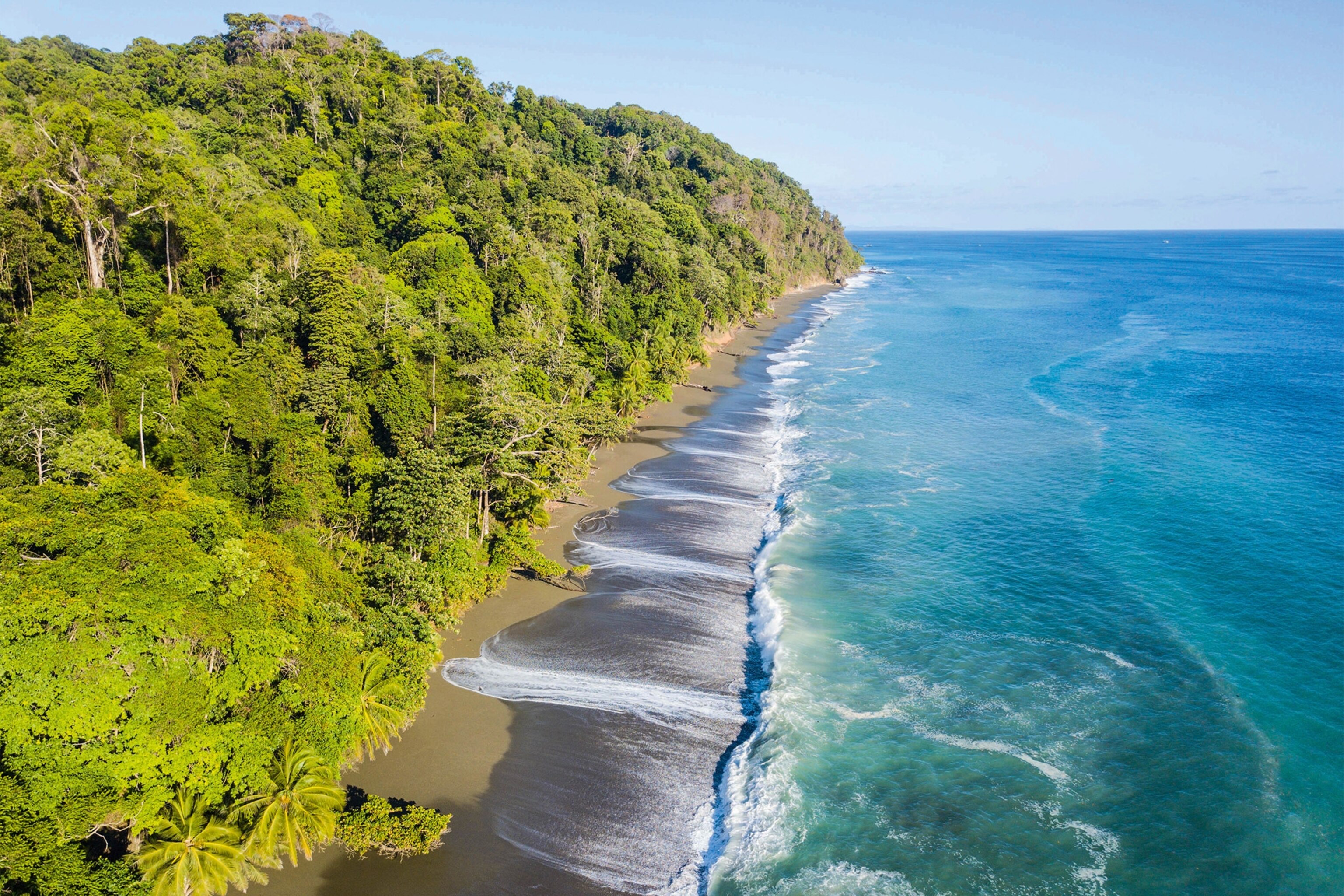
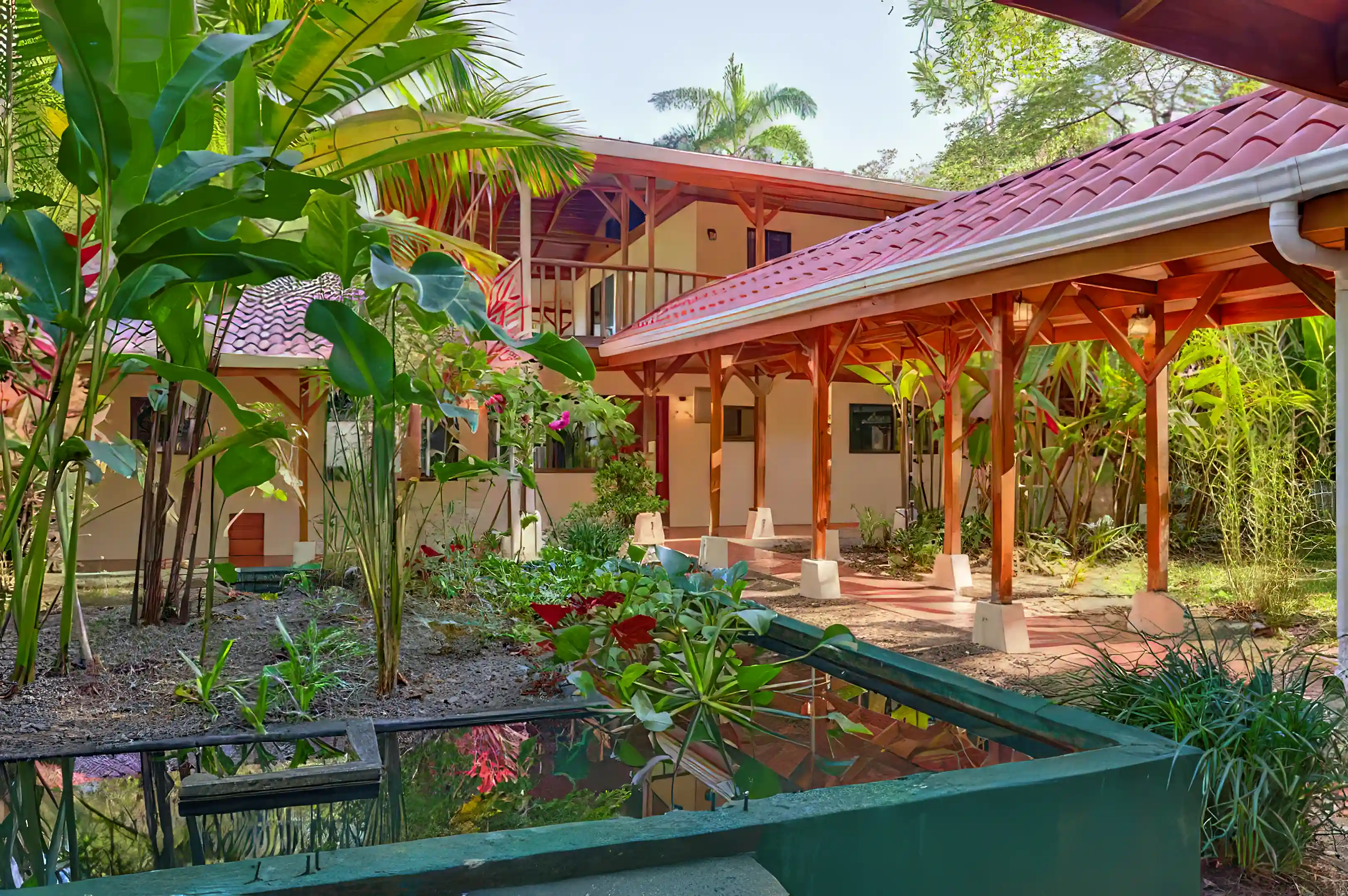
Where the rainforest meets the Pacific, every trail breathes wild.
Hand-picked by our editors — only the best 5 guided treks from 240 reviewed.
Verified partners for Corcovado National Park tours, free cancellation where available, and instant confirmation on every booking.
Prices from verified partners. Availability updates in real time at checkout. Free cancellation policies apply where shown.
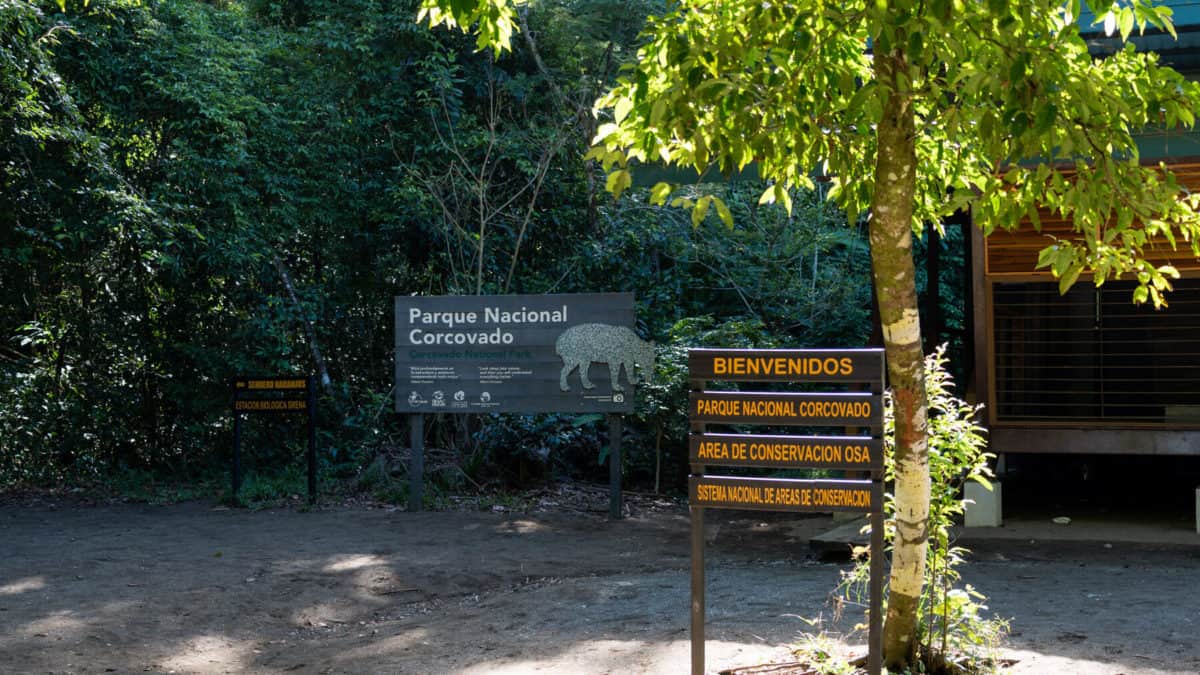
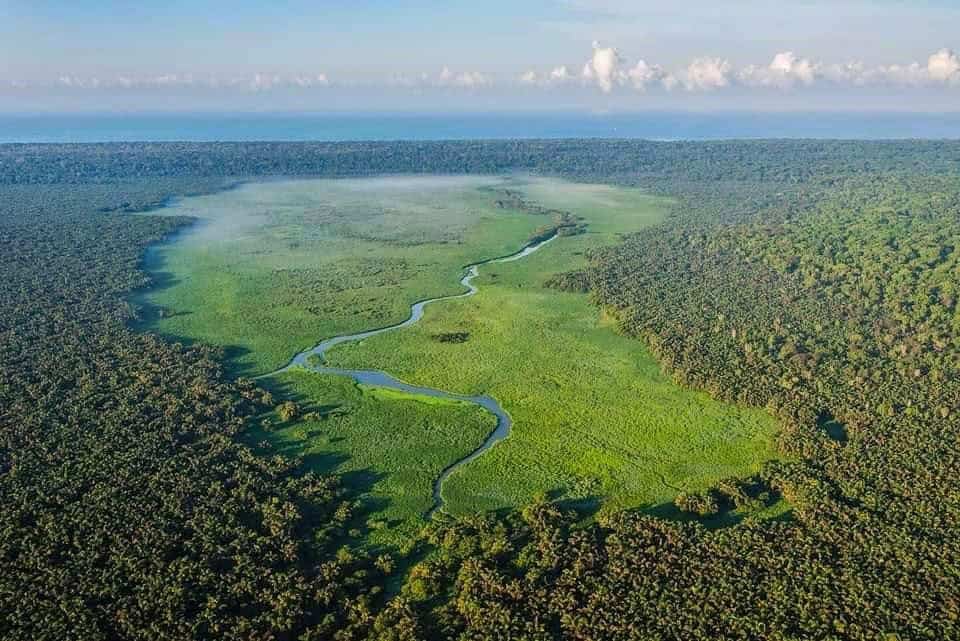
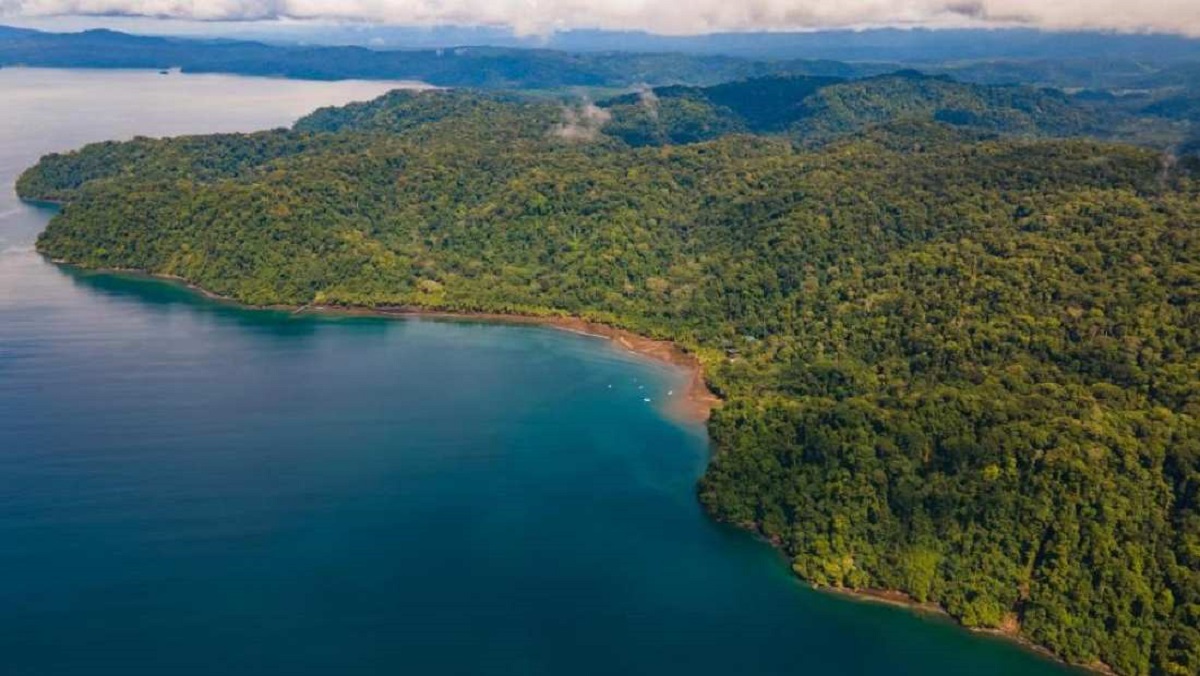
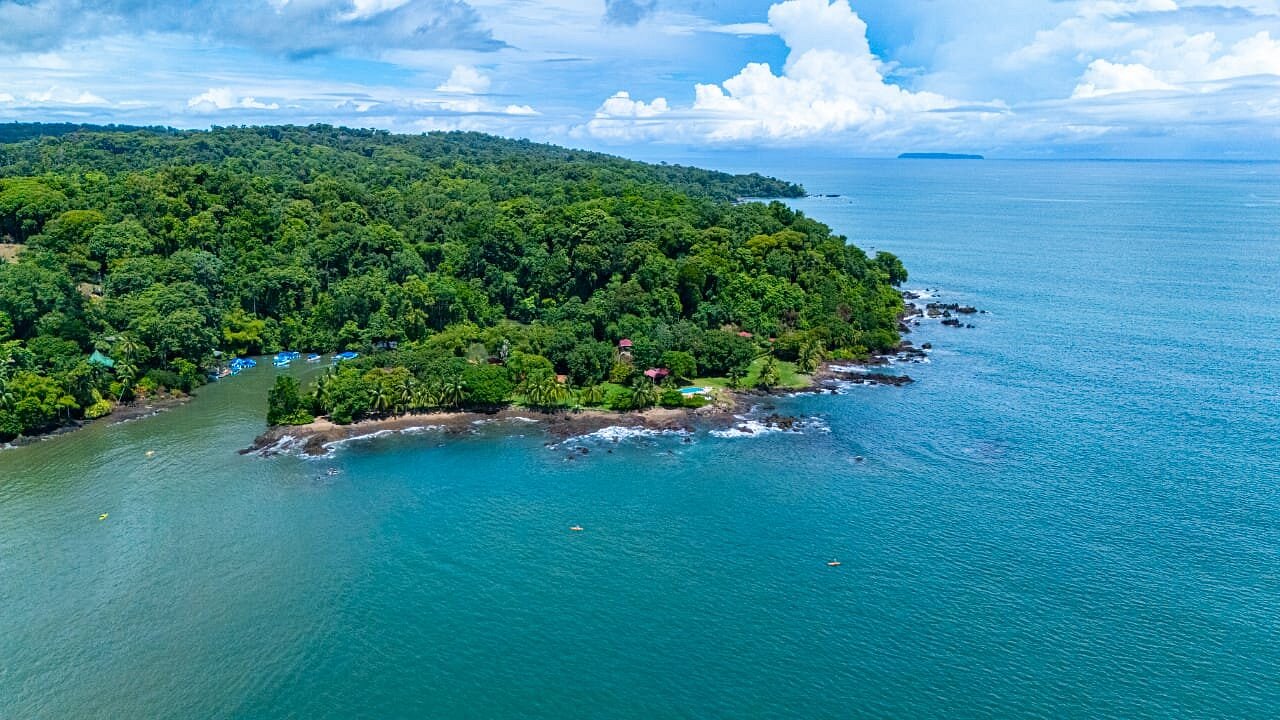
National Geographic once called corcovado national park the most biologically intense place on Earth, and the figure behind that claim still surprises: roughly 2.5% of the planet's biodiversity sits inside 424 square kilometres on the Osa Peninsula.
The park was established in 1975 to halt logging and gold mining across Costa Rica's last great lowland tropical rainforest.
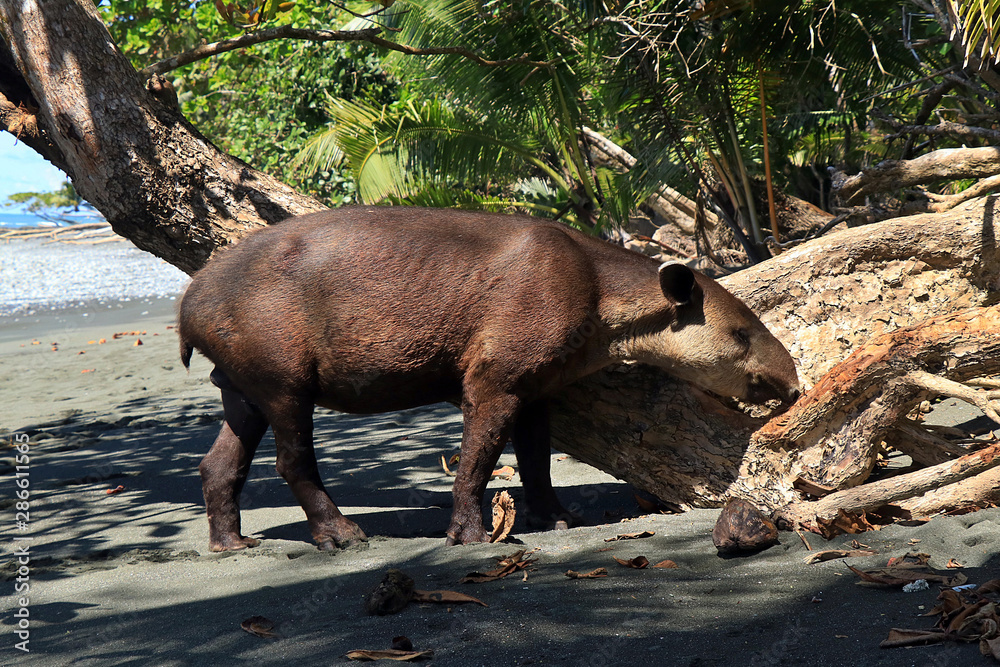
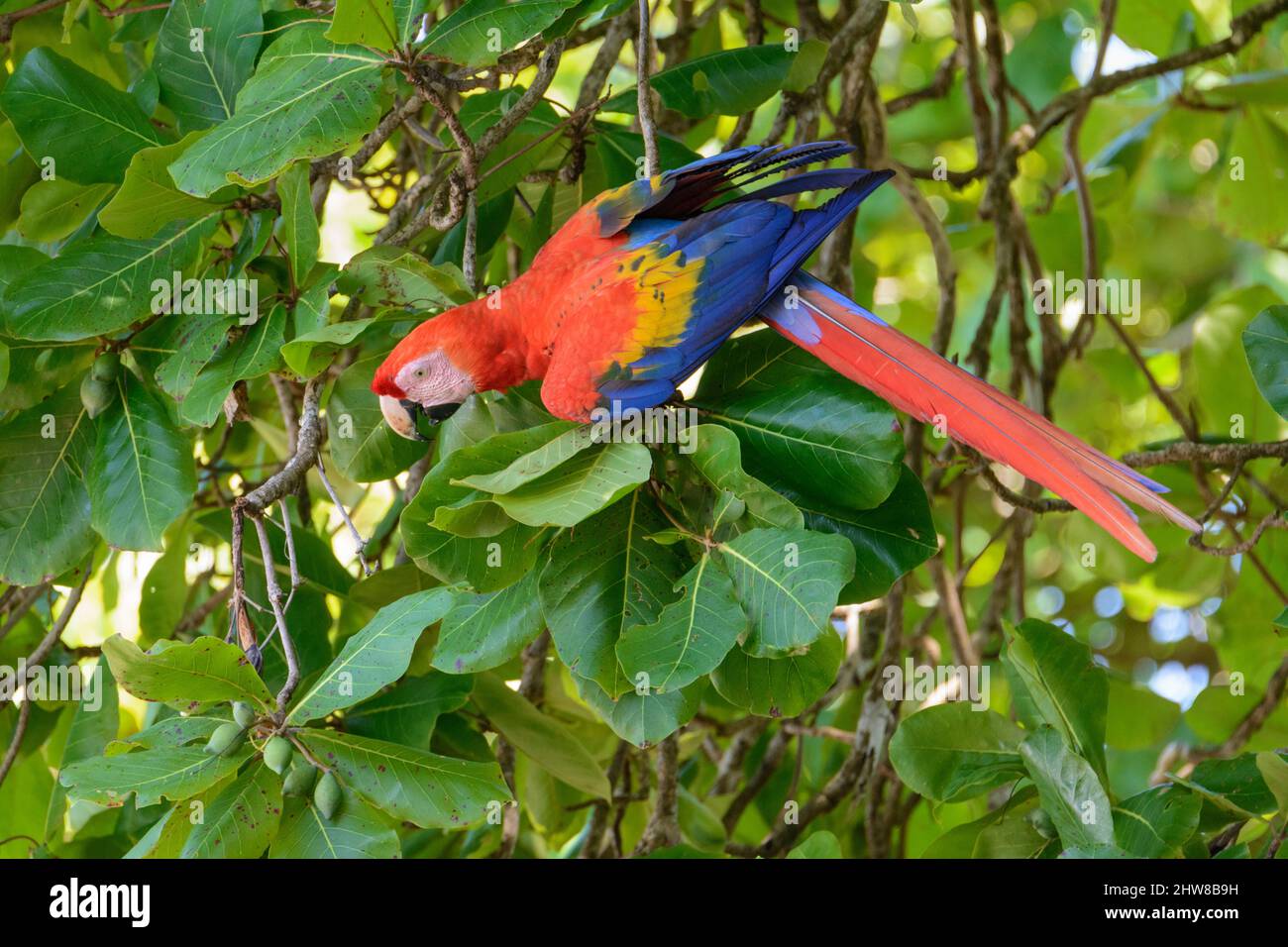
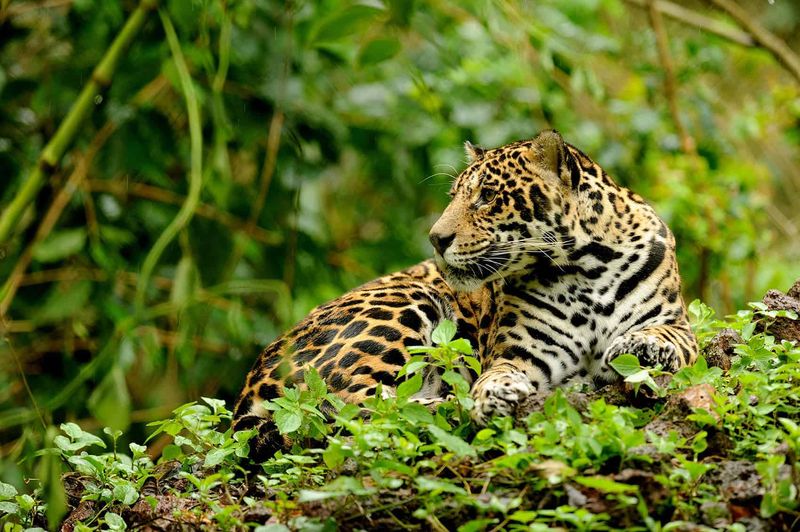
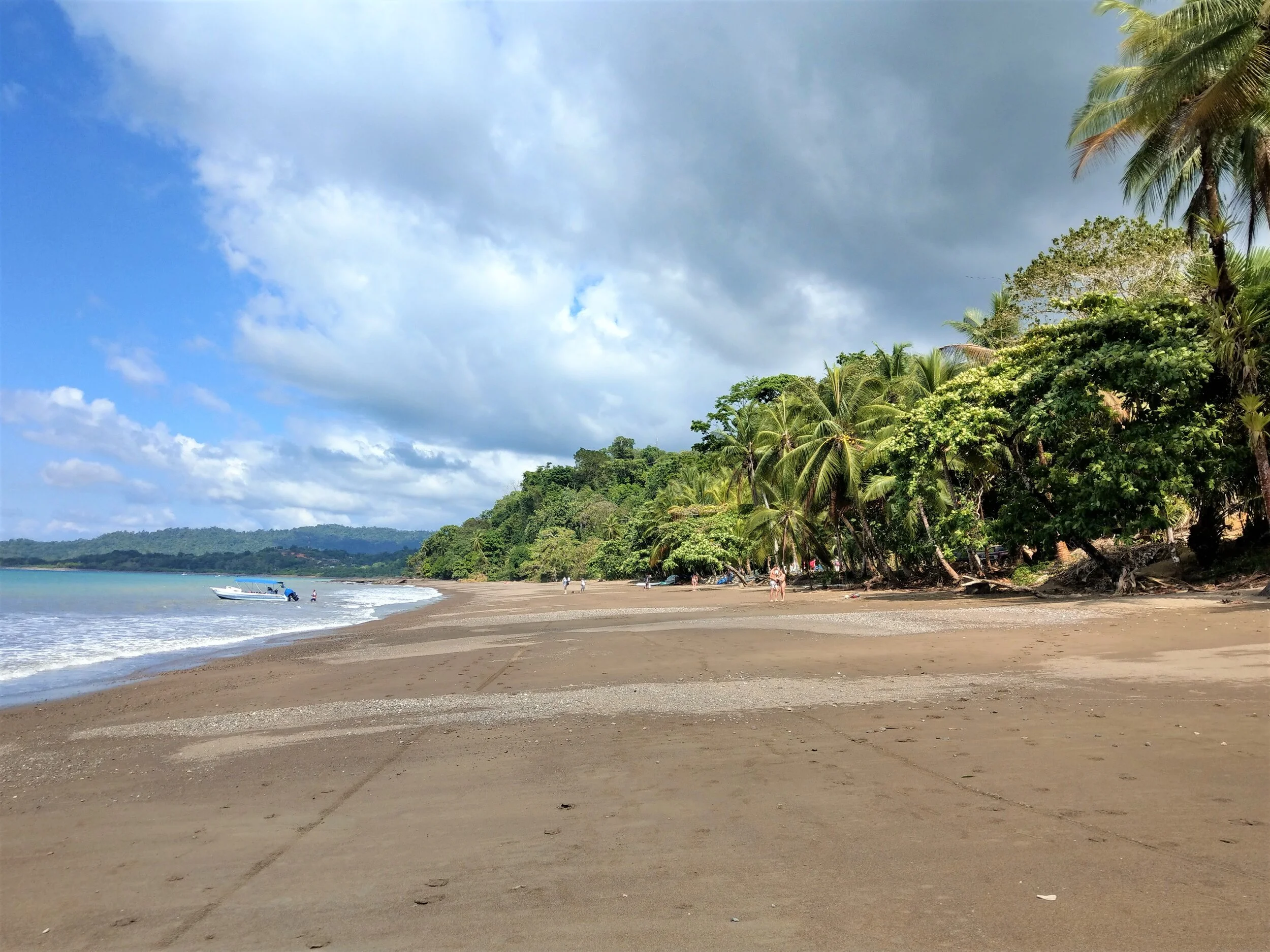
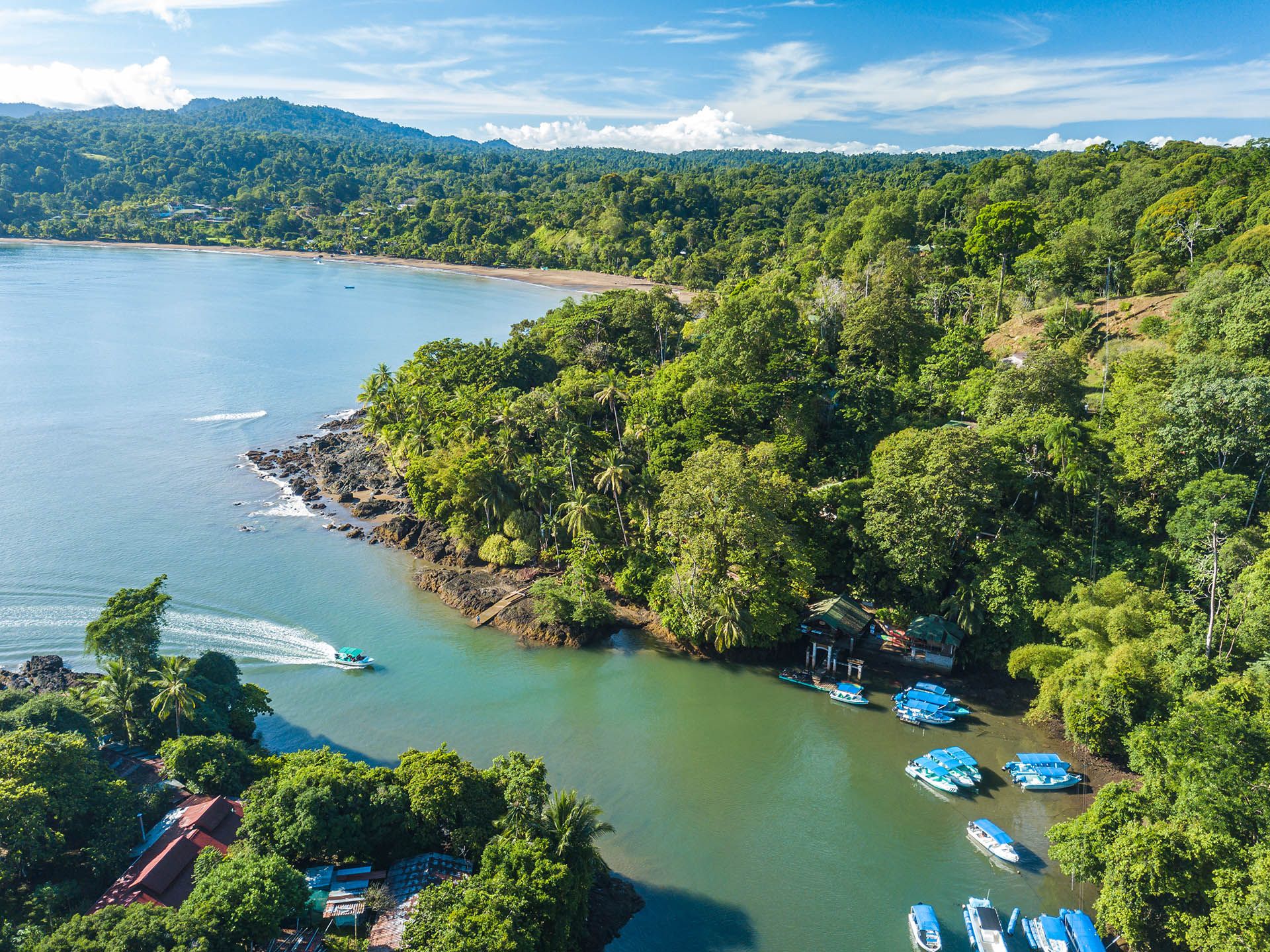
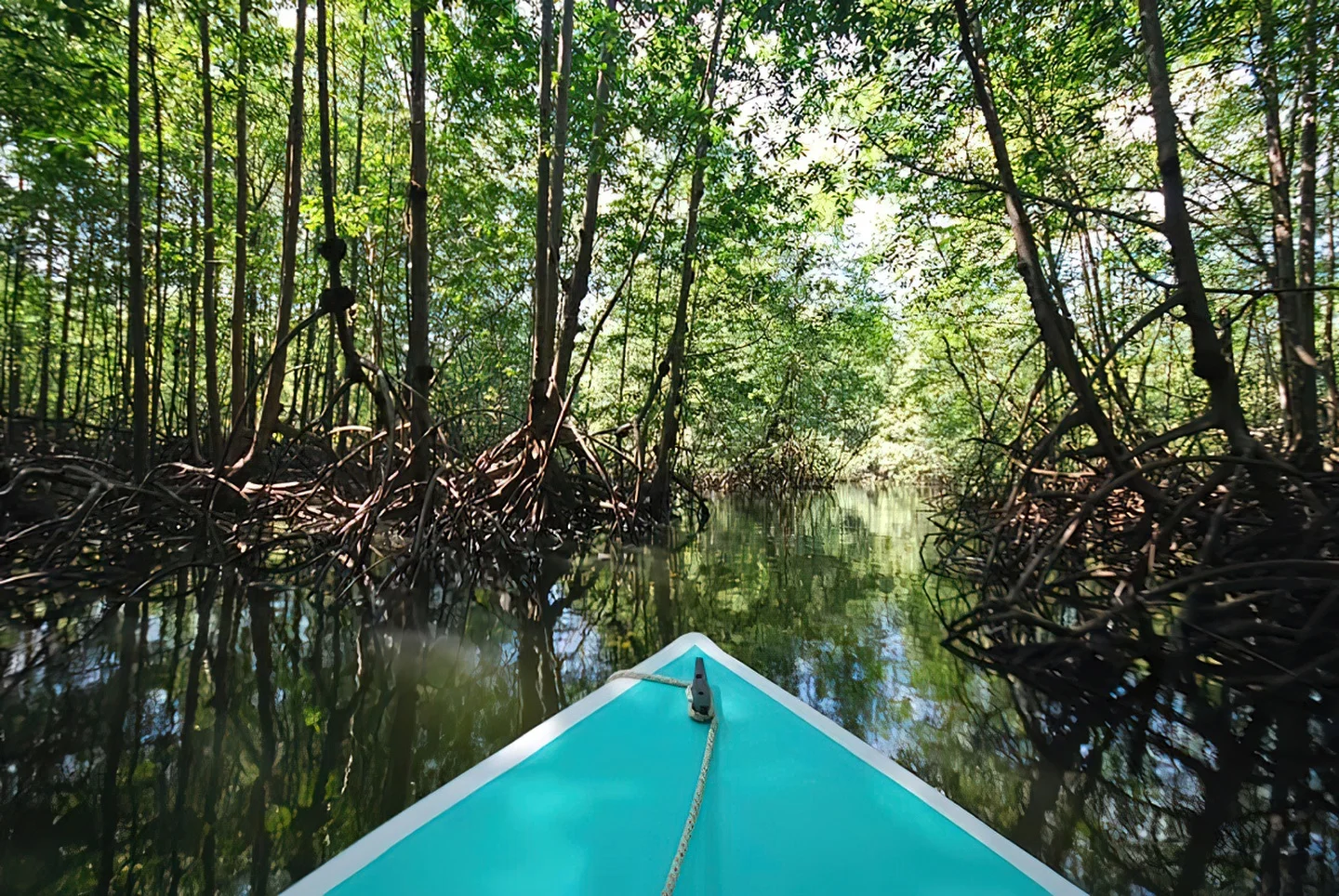
Today it shelters all four Costa Rican monkey species, Baird's tapir, scarlet macaws, and one of the country's healthiest jaguar populations. Access is deliberately limited and guide-mandatory, which is why the corcovado national park day tour built around Sirena and San Pedrillo ranger stations remains the standard route in. Travelers reach the trailheads through a corcovado day tour from drake bay by boat or a corcovado day tour from puerto jimenez overland, both threading mangrove, primary canopy, and surf-line beaches in a single circuit.
"Roughly 2.5% of the planet's biodiversity sits inside 424 square kilometres on the Osa Peninsula."
A step-by-step walkthrough of Corcovado National Park tickets — what you'll see, how long each stage takes, and the details that matter.
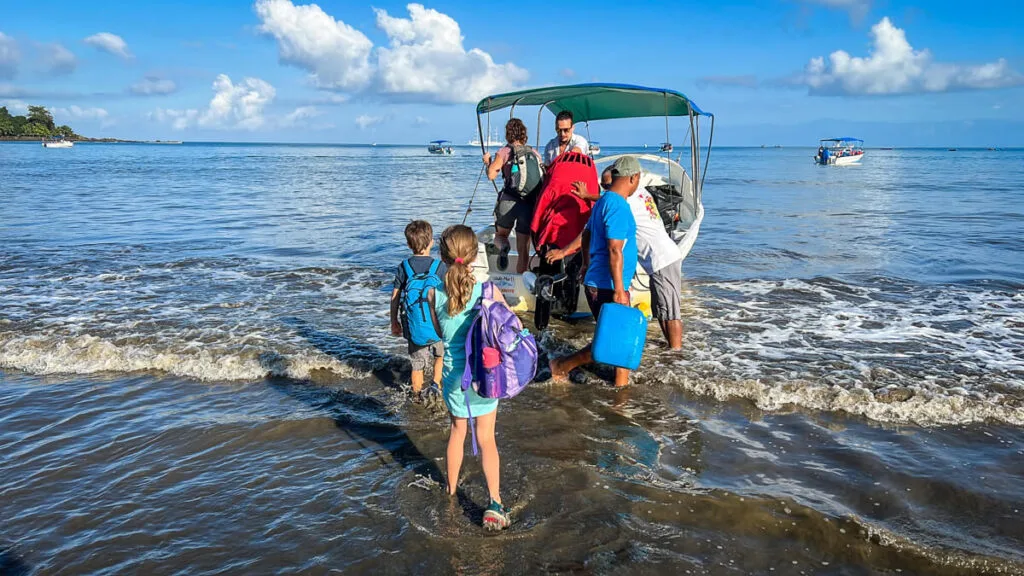
You board the boat at dawn, aiming to clear the 07:30–10:00 arrival window before the canopy traps the midday heat. Spray salts your face as Drake Bay falls behind; an hour later you wade ashore at Sirena, where a ranger checks your 18 USD entry pass and your mandatory guide takes the lead.
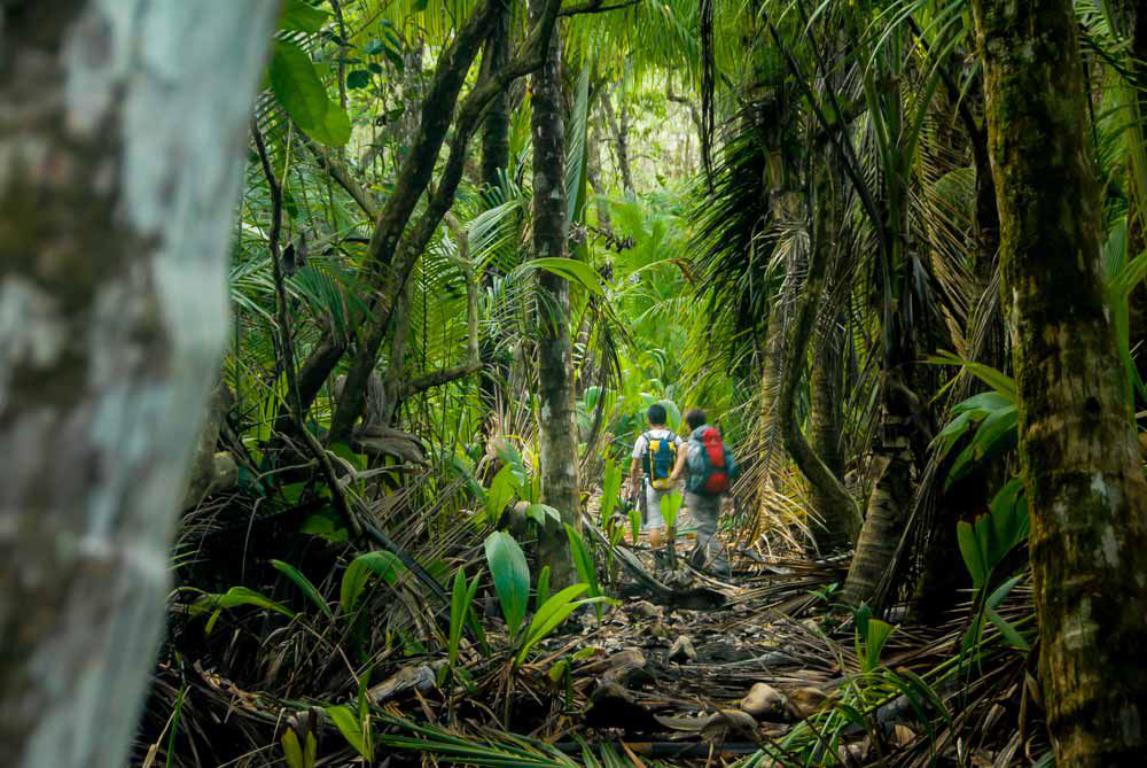
You climb a sandy trail into primary forest. Within minutes the guide freezes, points, and you follow the line of his finger to a three-toed sloth folded into a cecropia. Spider monkeys rattle the high branches. You pause at a freshwater lagoon where a caiman holds still as driftwood, then trace the surf-line back. On a corcovado sirena station day tour the park rewards patience, not speed.
The landmarks, rooms, and views travelers on Corcovado National Park tours remember — all visible on a single visit.
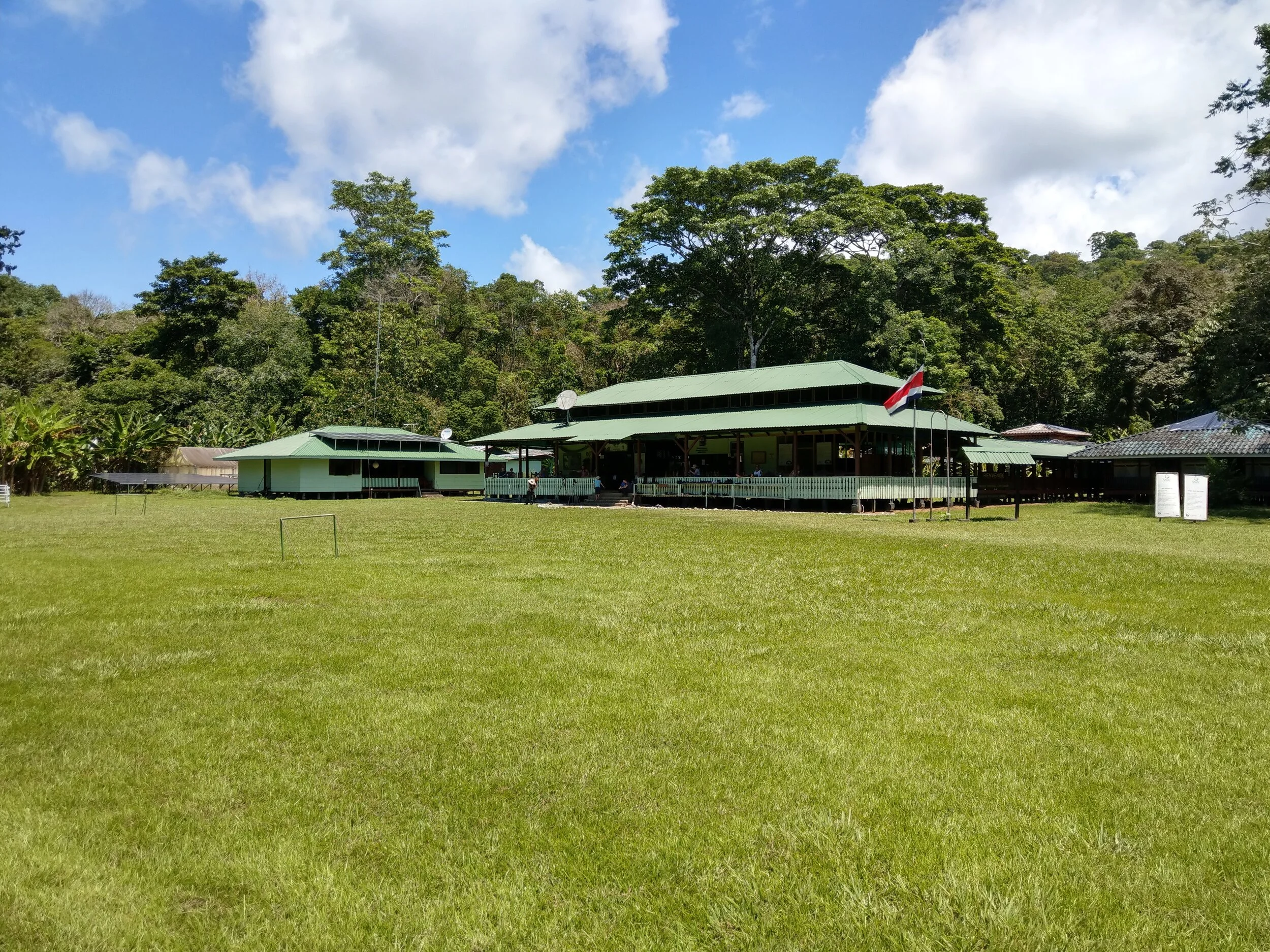
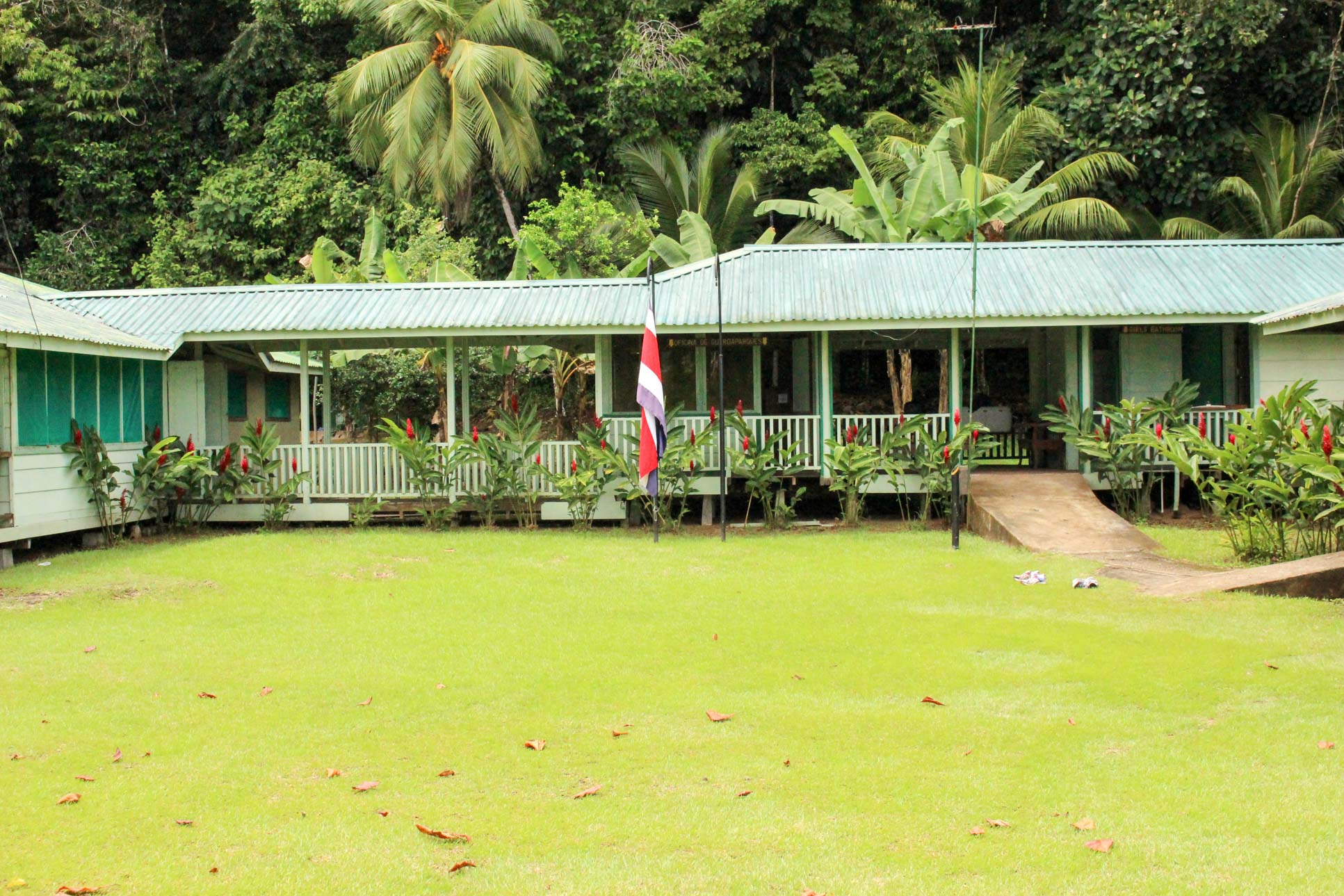
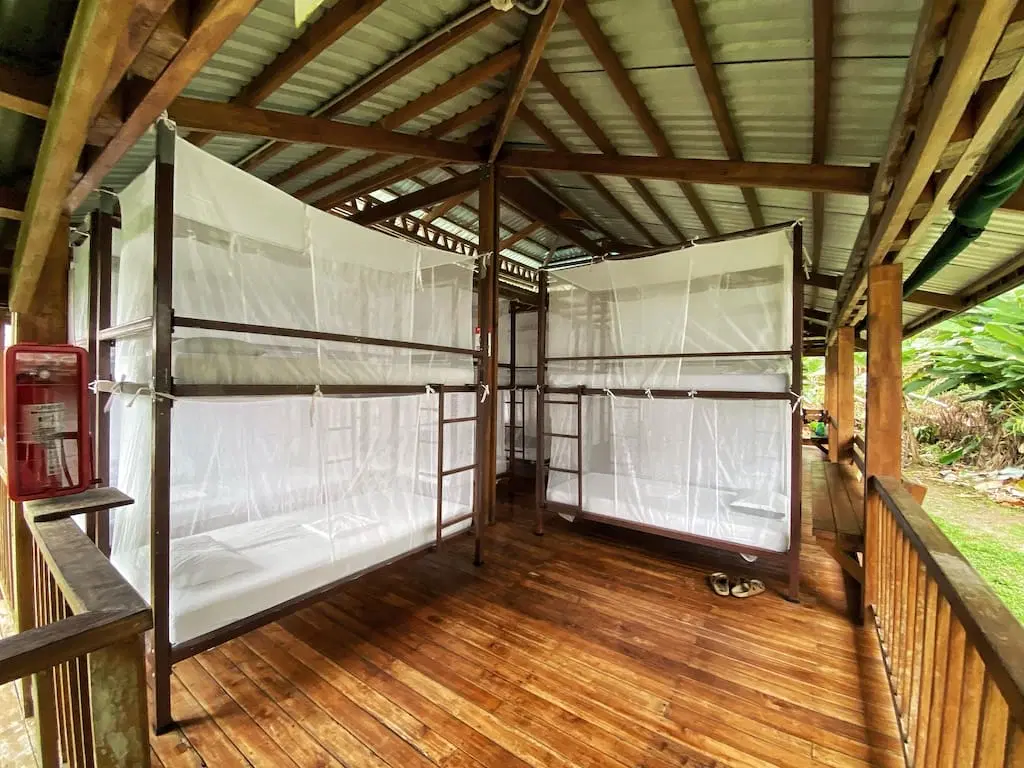
The only interior station in corcovado national park, Sirena sits in the heart of the Osa Peninsula surrounded by 54,000 hectares of primary rainforest and has bunks for up to 80 overnight visitors — the park's highest wildlife encounter probability is recorded here, including tapir sightings from the station veranda itself.
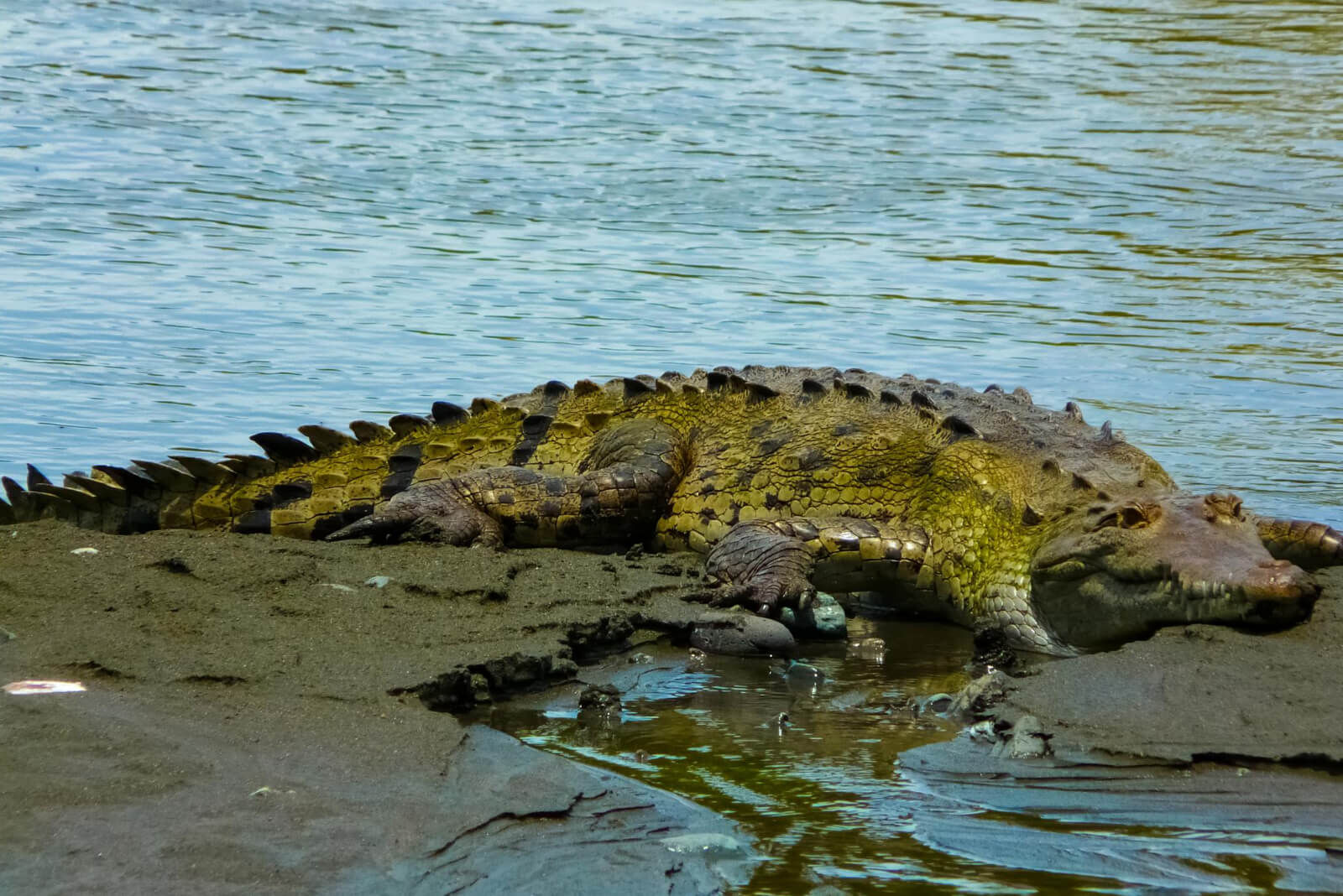
This freshwater lagoon in the park's interior is one of the few places on Earth where spectacled caiman, American crocodiles, and bull sharks share overlapping habitat — bull sharks use the Rio Sirena to reach the lagoon at high tide.
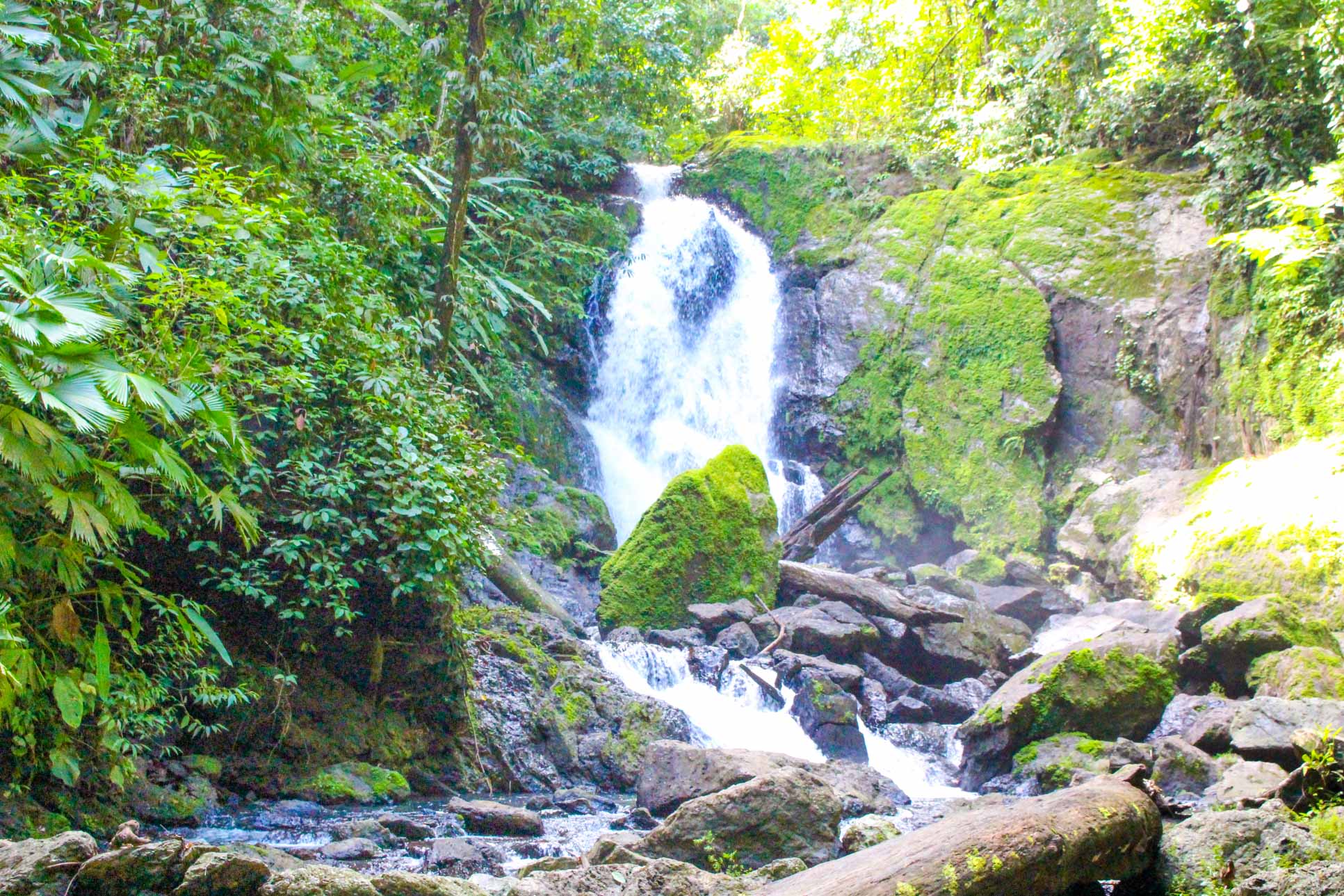
Located at the northwest coastal entrance of corcovado national park, San Pedrillo Station is accessible by a 20-minute boat ride from Drake Bay and is considered the park's top birding sector, with species such as the harpy eagle and black-mandibled toucan regularly recorded near the waterfall trail.
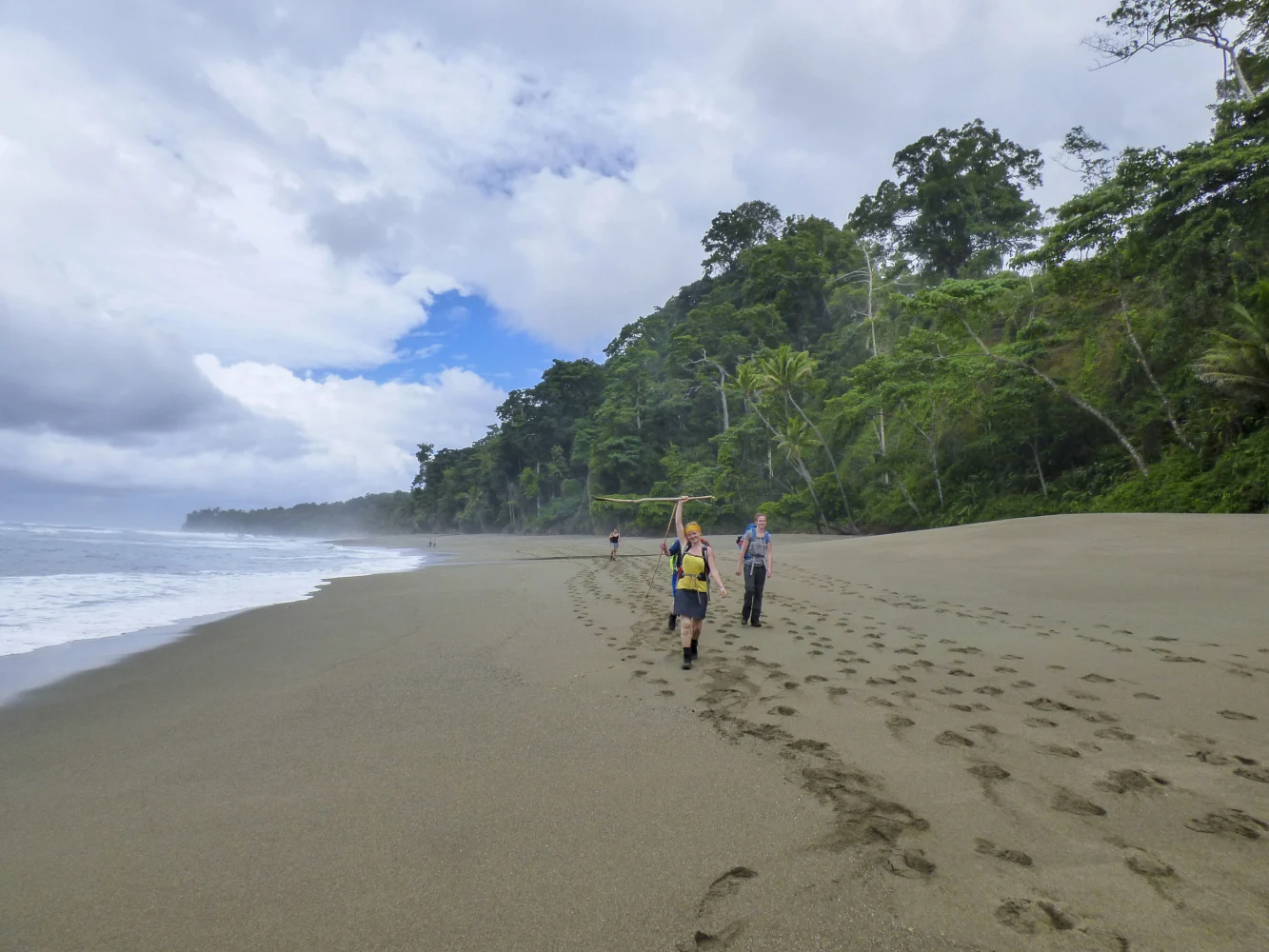
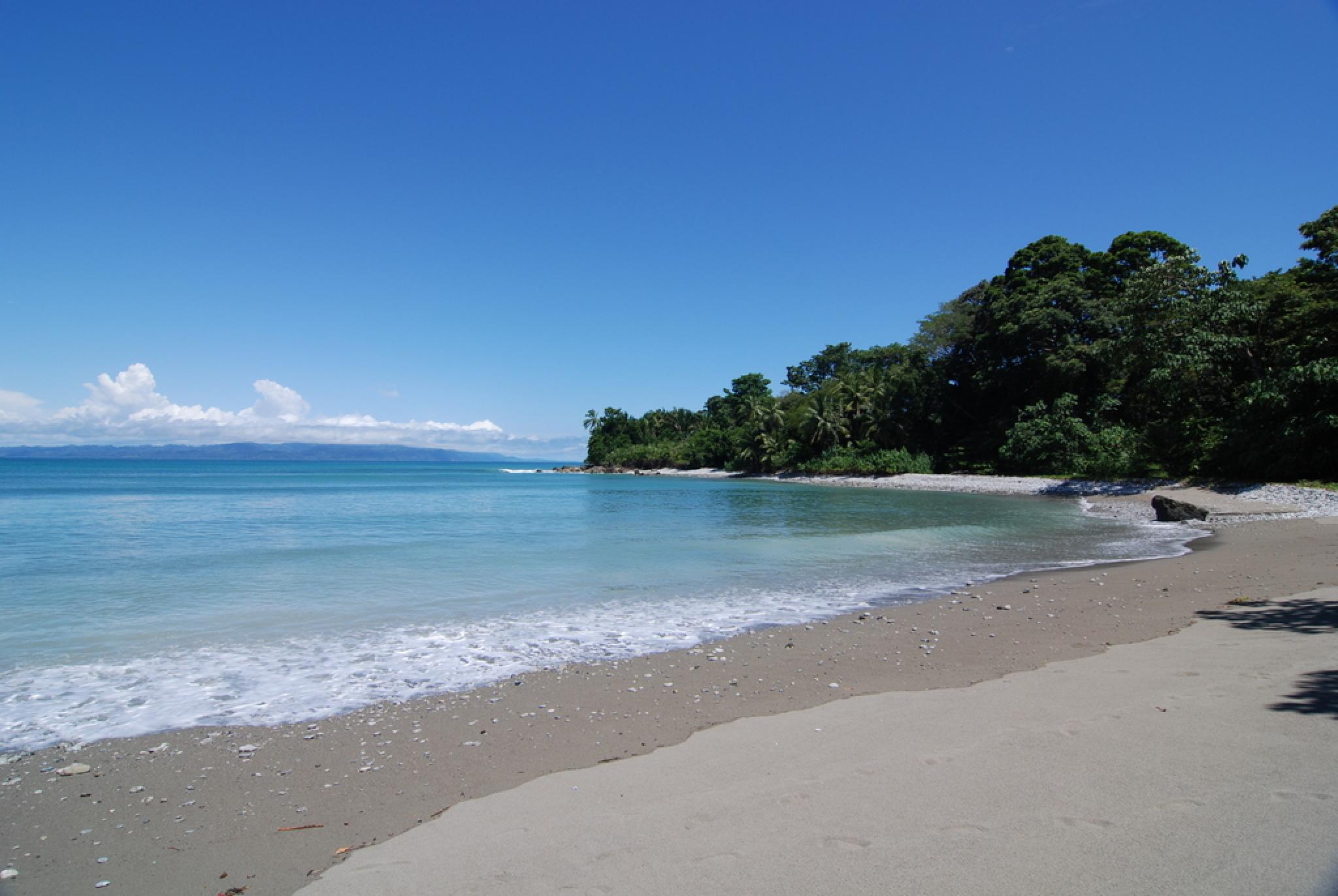
This 17 km coastal route from Carate to Sirena passes pristine Pacific beaches where four species of sea turtle — green, hawksbill, leatherback, and olive ridley — nest seasonally; the trail is only passable at low tide, adding an element of tidal navigation to the hike.
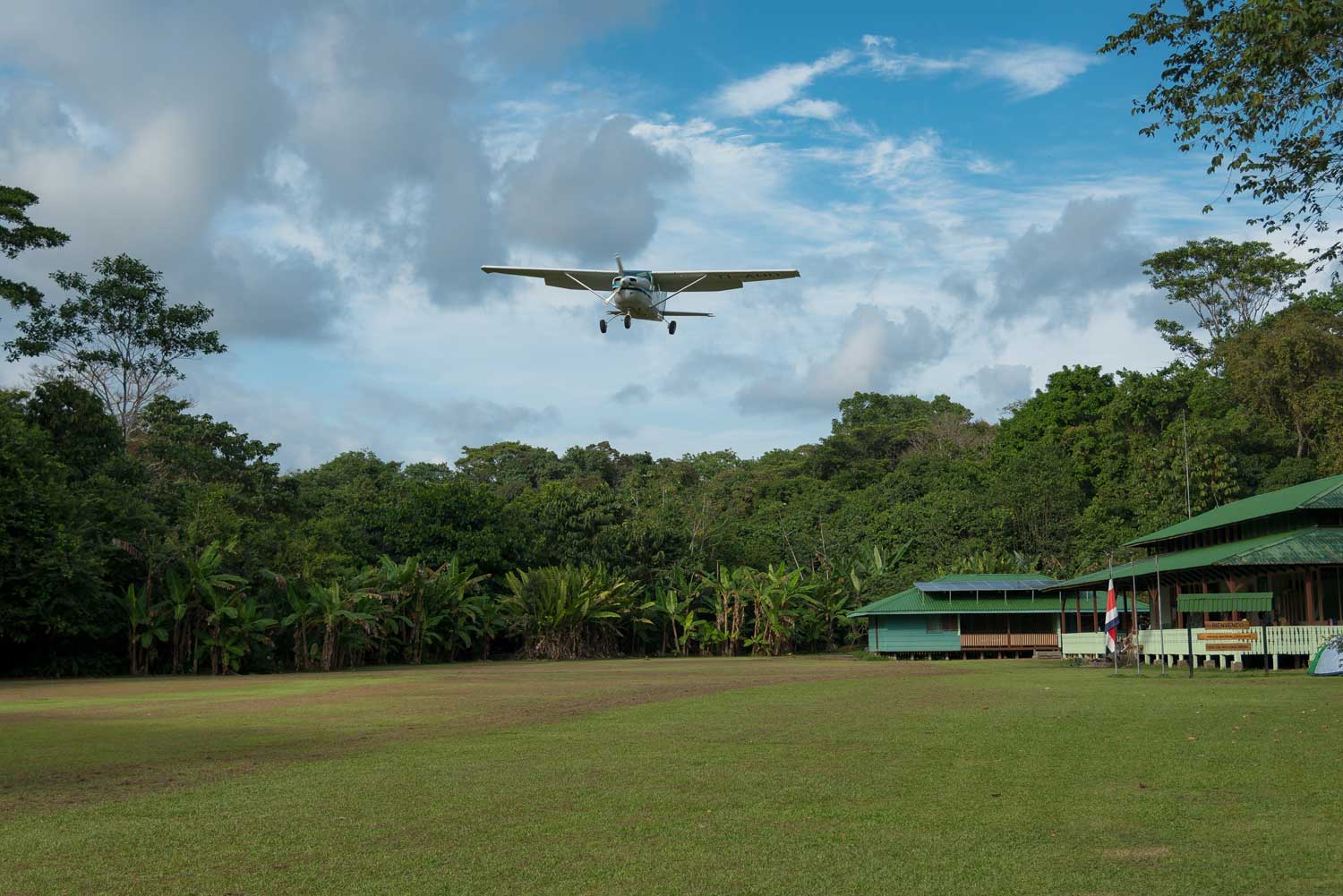
The former airstrip at Sirena Station is now an open grass clearing that functions as one of the most reliable large mammal observation points in the park — white-lipped peccary herds, giant anteaters, and Baird's tapirs cross the clearing regularly during early morning and late afternoon hours.
Every Corcovado National Park tour side-by-side — duration, what's included, how you redeem.
| Experience | From | Duration | Transfers | Pickup | Lunch | Tax inc. | Free cancel. | Price | |
|---|---|---|---|---|---|---|---|---|---|
|
Skip-the-line Most popular
|
— | — | — | — | — | — | ✓ | €235 | Book → |
|
Standard Entry
|
— | — | — | — | — | — | — | €150 | Book → |
|
Guided Experience
|
— | 2 hr | — | — | — | — | — | €435 | Book → |
All prices from verified partners. Availability and exact terms confirmed at checkout.
Choose your ticket, select your date, and reserve in under two minutes. Secure checkout handled by our verified partner.
Instant confirmation by email, with a mobile voucher you can save offline. No printing, no queuing at a collection desk.
Arrive at the entrance, show your voucher on your phone, and walk in. Most tickets include priority or skip-the-line access.
Practical details for Corcovado National Park tickets straight from our verified partners — hours, access, rules, and how to get there.
Sirena Station, Corcovado National Park, Osa Peninsula
Primary arrival and departure point for boat-access day trips from Drake Bay and Puerto Jiménez. Wet beach landing — wear water shoes for disembarkation.
Open in Google MapsDrive from San José south on the Pan-American Highway to Puerto Jiménez (approx. 395 km); a 4WD vehicle is required beyond Puerto Jiménez toward Carate or La Palma. Park at your gateway town and access the park by boat or on foot with a guide.
Sansa Airlines and Costa Rica Green Airways operate daily flights from San José (SJO) to Puerto Jiménez or Drake Bay airports; flights take under 1 hour.
Take the Transportes Blanco Lobo bus from San José Coca-Cola terminal to Puerto Jiménez (approx. 9 hours), then arrange a colectivo truck or taxi to Carate; alternatively, bus to Palmar Norte then boat via Sierpe river to Drake Bay.
From Drake Bay, boat transfers to Sirena Station take approximately 1–1.5 hours; from Puerto Jiménez to Sirena by boat takes approximately 1.5 hours. Your tour operator typically arranges this as part of the guided package.
Lightweight, moisture-wicking long trousers and long-sleeved shirts provide protection against insects, sun, and vegetation. Avoid cotton, which stays wet for hours; synthetic fabrics or merino wool dry quickly in the humid rainforest. Neutral or dark earth tones are recommended — bright colours can disturb wildlife.
All bags are subject to inspection by rangers at each station entrance. Keep valuables in a waterproof dry bag or zip-lock liner inside your pack, as river crossings and sudden downpours are common. Leave non-essential items at your lodge; rangers at Sirena Station have a secure storage area for day visitors.
Photography for personal use is freely permitted throughout the park. Flash photography near wildlife is prohibited and disturbs nocturnal species. A telephoto lens (200mm or longer) is highly recommended as animals will not always approach closely. Keep cameras in waterproof cases — humidity and river crossings are routine.
Corcovado National Park features rugged jungle terrain on natural, uneven paths that are not wheelchair accessible. Most trails involve river crossings, muddy sections, tree roots, and uneven ground. Visitors with limited mobility should consult their guide operator in advance; the Sirena Station veranda and immediate surrounds offer some wildlife viewing without trail hiking.
Mobile phone coverage is extremely limited to non-existent inside the park. Some signal may be available at Sirena Station via satellite-based communication. Download offline maps (maps.me or Gaia GPS) and emergency contacts before entering. Your guide will carry a radio or satellite communicator.
Children can visit corcovado national park on guided day trips, and the Sirena Station area trails are relatively flat and suitable for older children (10+) in good health. Younger children and those sensitive to heat should plan for a half-day maximum, departing at 07:30. All family visitors must be accompanied by a licensed guide — this is a legal requirement, not just a recommendation.
The Sirena Ranger Station has a dining hall serving basic hot meals for overnight visitors with advance reservations; day visitors should carry all their own food. A minimum of 3 litres of water per person is strongly recommended due to the heat and humidity. Water purification tablets or a filter are useful for longer treks — river water is not safe to drink untreated.
Pets are strictly prohibited inside corcovado national park under SINAC regulations, with no exceptions. This rule protects both the native wildlife from disease transmission and domestic animals from encounters with jaguars, pumas, venomous snakes, and crocodiles.
All visitors to corcovado national park must be accompanied by a SINAC-certified guide — independent entry is not permitted under park regulations. Daily visitor numbers at Sirena Station are capped at 100 people, so permits should be secured well in advance, especially between December and April. Tidal schedules affect coastal trail accessibility; your guide will plan hike timing around low tide windows.
Sirena Station, Corcovado National Park, Osa Peninsula
Primary arrival and departure point for boat-access day trips from Drake Bay and Puerto Jiménez. Wet beach landing — wear water shoes for disembarkation.
Get directions
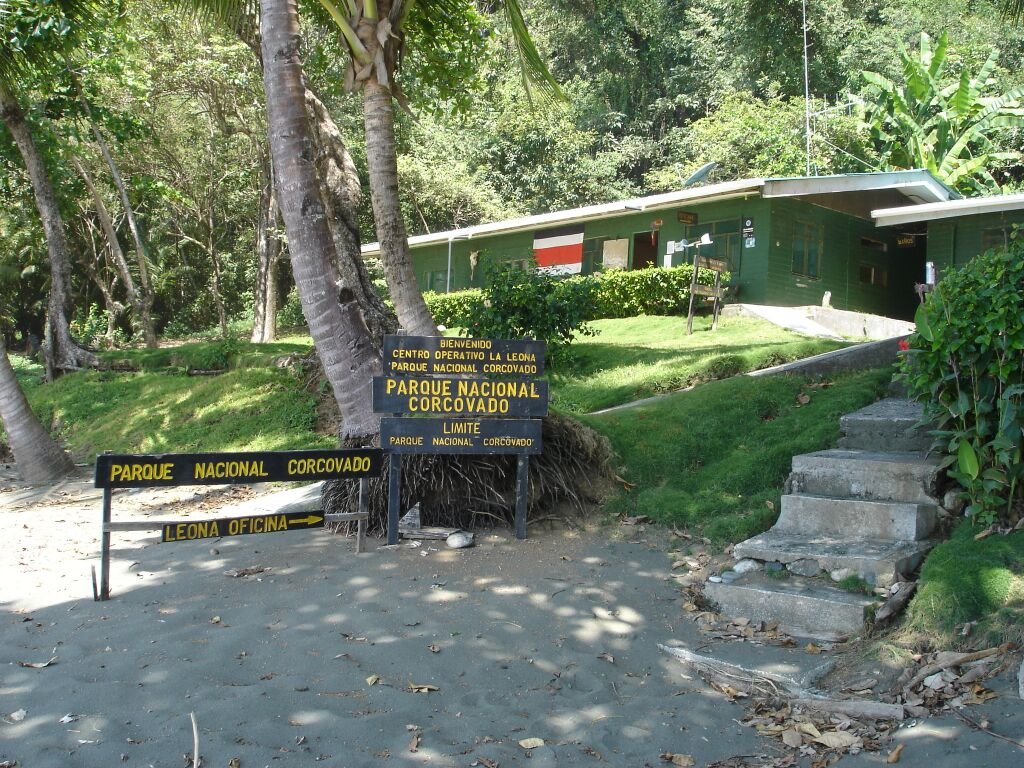
La Leona, near Carate, Osa Peninsula
Southern entrance used for hiking groups arriving on foot from Carate village; 3 km walk from town.
Get directions
San Pedrillo, northwest coast, Osa Peninsula
Northern coastal entrance; 20-minute boat ride from Drake Bay, popular for birding-focused day tours and waterfall access.
Get directionsBest time to go, insider tips, nearby landmarks, and the cancellation fine print — flip through to skim what matters to you.
How crowds, weather, and events shift across the year.
Trails are at their firmest, river crossings are shallow, and sunny days make all-day hiking comfortable; this is peak season so permits at Sirena fill weeks in advance.
Predictable afternoon showers (typically 13:00–16:00) leave mornings clear and ideal for wildlife; lodges offer lower rates and trails are less crowded.
September sees heavy rainfall and possible trail closures; the park closes entirely in October for annual maintenance — no visitor access is permitted.
The park reopens after October maintenance; trails are lush and amphibian activity is exceptional, though some river crossings remain high.
Small details that turn a good visit into a great one.
Daily visitor numbers at Sirena Station are capped; permits for December–April fill up weeks or months in advance. Book your licensed guide and secure permits as soon as travel dates are confirmed — last-minute availability is rare in high season.
The coastal trail between La Leona and Sirena is only passable at low tide; the Rio Sirena crossing also varies with tidal conditions and harbours bull sharks near the mouth. Always check the day's tide schedule with your guide before setting out.
Rangers at every station require valid photo ID to match against permits. A photocopy is a backup, but some rangers insist on the original document. Carry it in a waterproof pouch — laminated or zip-locked.
Rental rubber boots are available at Sirena Station during the green season (May–November) and handle mud and river crossings far better than trail runners. In dry season, sturdy hiking boots with ankle support are preferable.
All visitors must exit the park by 17:00. Plan your return hike or boat pickup to arrive well before closing — a missed boat means an unplanned overnight with no gear.
Keeping voices low and moving slowly on trails dramatically increases sighting success. Tapirs and peccaries are more likely to hold their ground when visitors approach quietly and without sudden movements.
Non-bookable sights within a short walk — free to visit, easy to pair.
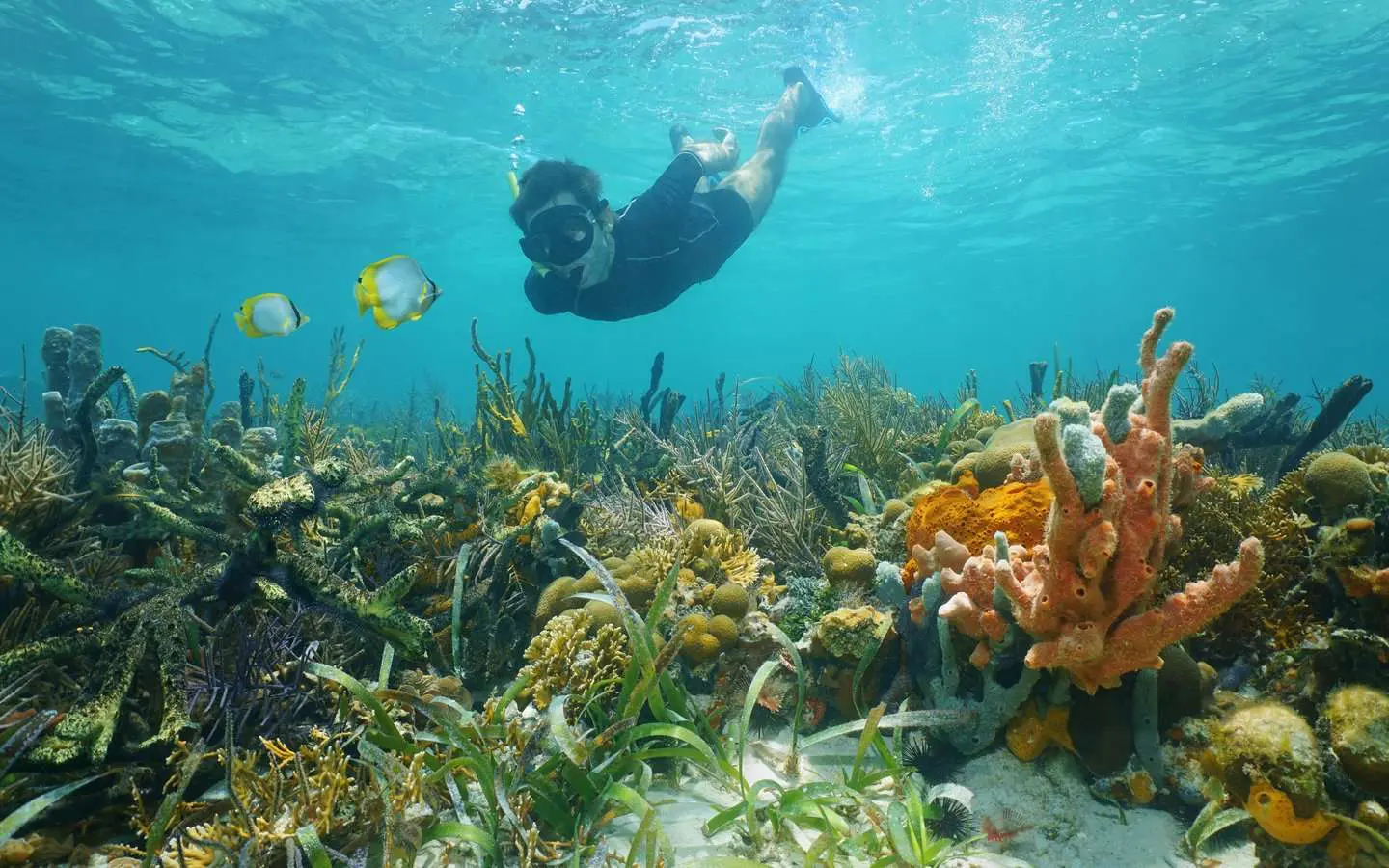
Marine protected area off the Osa Peninsula with exceptional snorkelling among coral reefs, manta rays, and sharks; one of Costa Rica's top dive sites.
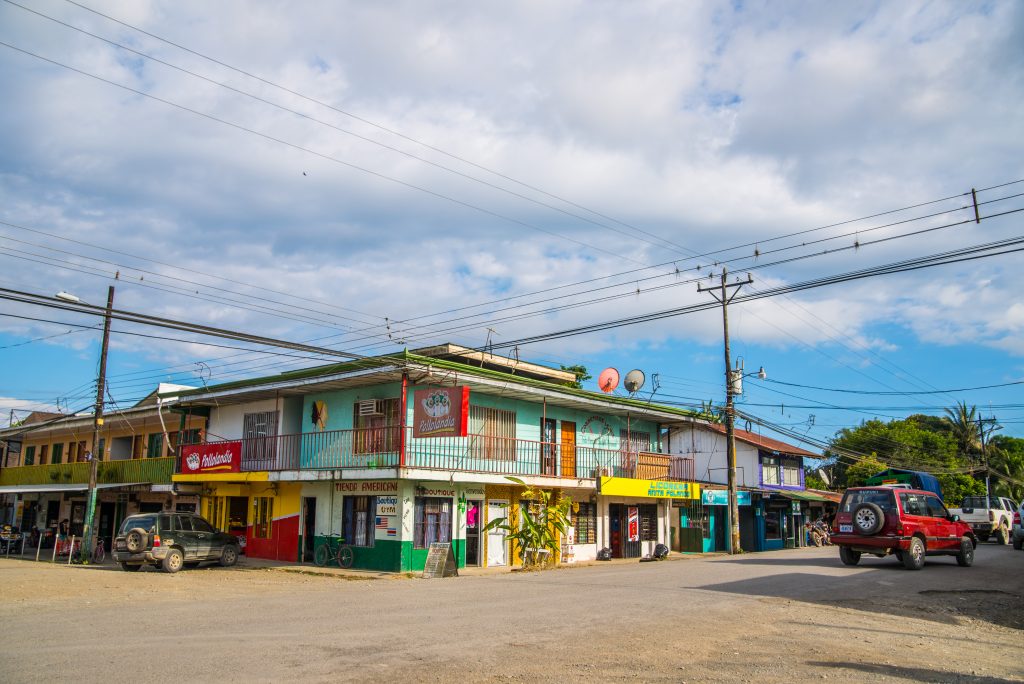
Tranquil fishing village and primary base for corcovado national park tours; named after Sir Francis Drake who anchored here in 1579.
Largest mangrove system in Central America; boat tours pass through on the route from Sierpe to Drake Bay and offer sightings of crocodiles, herons, and river otters.
Secondary rainforest reserve on the Golfo Dulce shore, less visited than Corcovado and accessible without a mandatory guide; good for independent hiking.
Remote Pacific beaches at the southern tip of the Osa Peninsula where leatherback sea turtles nest between October and February.
Flexible, no hidden fees.
Tour cancellations made more than 48 hours before departure are generally eligible for a full refund; the 18 USD park entrance fee component is subject to SINAC's own non-refundable permit policy. Cancellations within 24 hours of departure are typically non-refundable — confirm the exact window with your licensed guide operator at the time of booking.
Hand-picked options within walking distance — pick a district for vibe, or a specific hotel for convenience.
Solar-powered eco-lodge on Drake Bay with guided Corcovado day tours included; oceanfront cabins with views of the Osa coastline.
Hillside lodge above Drake Bay with sport-fishing and Corcovado day-trip packages; open-air dining with Golfo Dulce views.
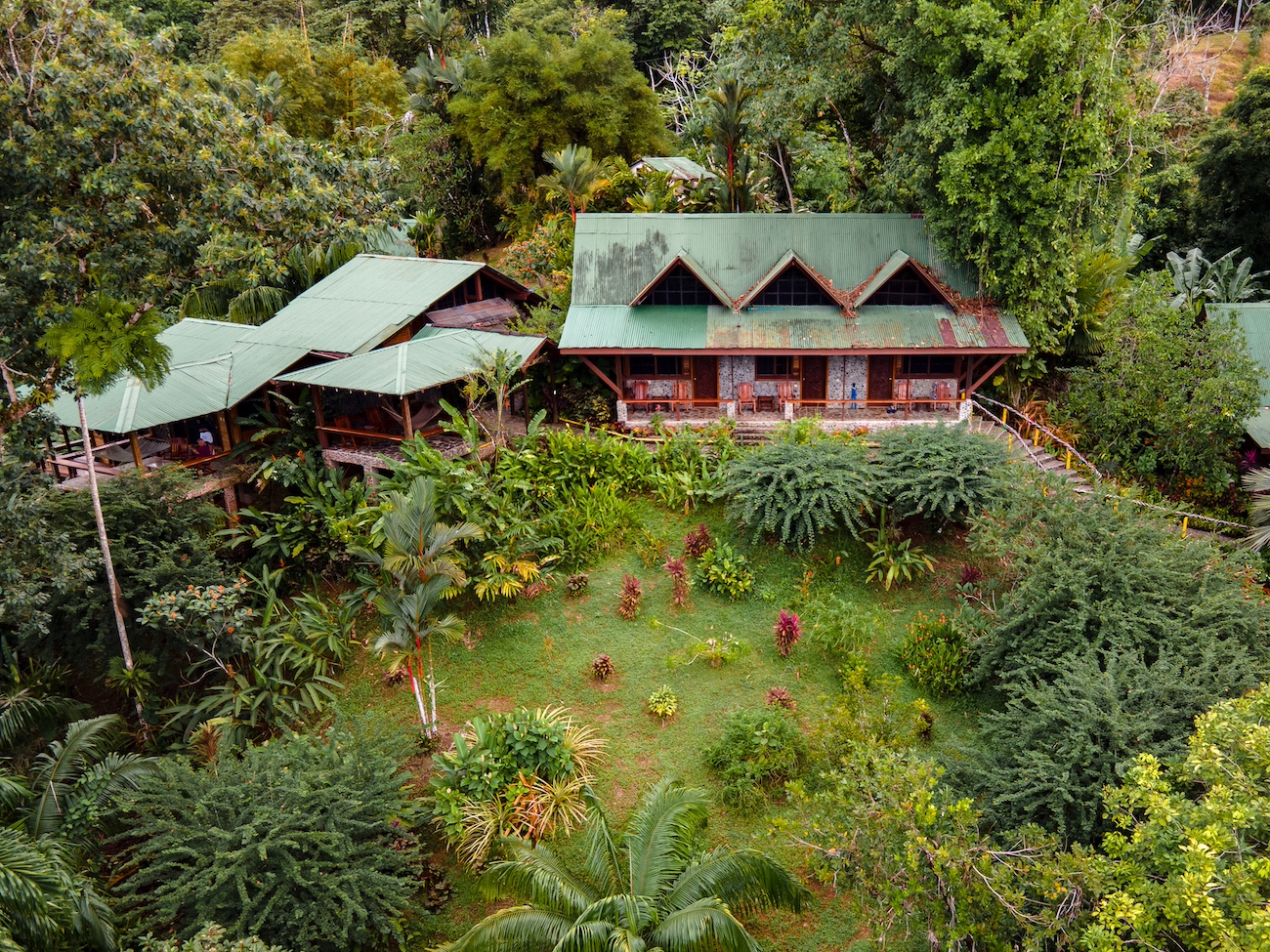
Rustic bunk accommodation at Sirena Ranger Station (advance reservation required through SINAC); the only overnight option inside the park itself.
Budget hotels, hostels, and guesthouses concentrated near the main dock; closest urban base for eastern park access via La Leona and El Tigre.
Comfortable mid-range guesthouse with air-conditioned rooms and tour booking assistance for guided Corcovado trips.
Corcovado National Park is open every day of the week from 07:30 to 17:00. Arriving between 07:30 and 10:00 gives you the best chance of wildlife sightings before midday heat and day-tripper groups arrive.
The entrance fee for foreign adult visitors is 18 USD per person per day. This covers park access for one day; multi-day visitors pay the fee for each day inside the park. Children and Costa Rican residents pay reduced rates — confirm current figures directly with SINAC or your guide operator.
No. SINAC regulations require every visitor to be accompanied by a licensed, certified guide — independent entry is not permitted. Rangers at each station check that all visitors have a registered guide before allowing access. Tour operators in Drake Bay and Puerto Jiménez can arrange certified guides and handle permit booking.
The dry season from December through April offers the firmest trails, shallowest river crossings, and reliable sunshine. February and March are widely considered the optimal weeks: weather is settled and wildlife concentrates around reduced water sources. The green season (May–August) also offers excellent wildlife with fewer visitors and lower lodge rates, though afternoon showers are expected.
The park closes entirely in October each year for annual trail maintenance; no visitors are permitted during this period. Some stations, particularly Sirena, may also face temporary closures during periods of extreme flooding in September — your operator will advise on current conditions.
Wear lightweight long trousers and long-sleeved synthetic shirts for insect and sun protection, and bring sturdy waterproof hiking boots or rubber boots (rentable at Sirena). Essential items include a valid passport, at least 3 litres of water per person, sunscreen, DEET insect repellent (20–30%), a rain jacket, binoculars, and a basic first-aid kit.
The park's natural jungle trails are uneven, root-crossed, and involve river crossings, making them inaccessible for wheelchair users. Visitors with limited mobility should discuss options with their guide operator; the Sirena Station veranda area offers some wildlife viewing without trail hiking.
Older children (10+) in good health are well suited to guided day trips, particularly on the flat trail network around Sirena Station. All visitors, including children, must be accompanied by a licensed guide; there are no age restrictions, but half-day tours are advisable for younger or less active children given the heat and humidity.
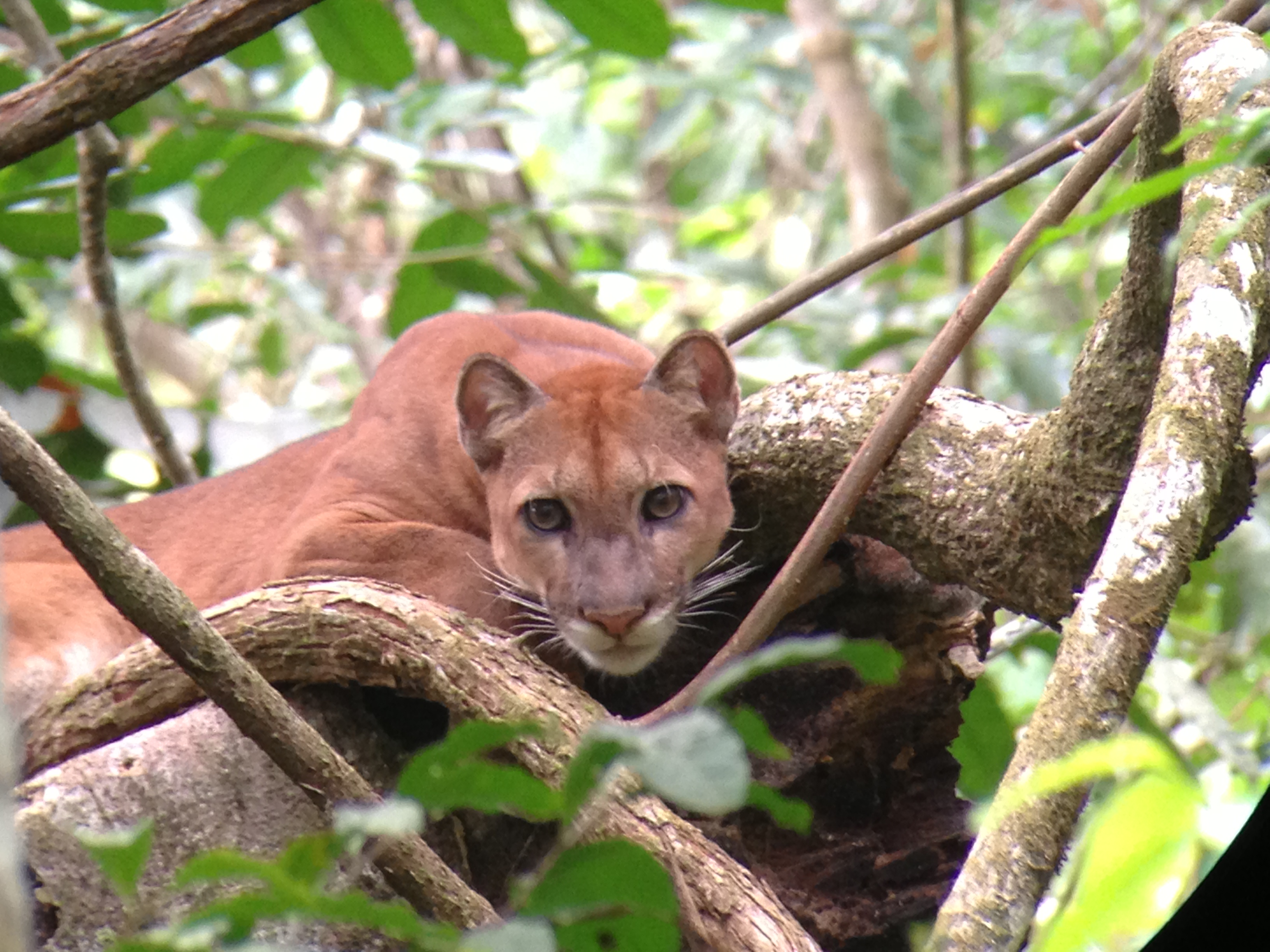
The Osa Peninsula rainforest is home to Baird's tapir (Central America's largest land mammal), jaguars, pumas, ocelots, scarlet macaws, harpy eagles, all four of Costa Rica's monkey species, American crocodiles, and white-lipped peccaries, among thousands of other species. Wildlife sightings are never guaranteed, but the probability at Sirena Station is among the highest of any protected area in the Americas.
Personal photography without flash is fully permitted and encouraged. Drones and UAVs are strictly prohibited inside the park. Flash photography near any wildlife is banned. A telephoto lens (200mm or longer) is strongly recommended given that animals will not always approach close to the trail.
The fastest route is a domestic flight from San José (SJO) to Puerto Jiménez or Drake Bay with Sansa Airlines — approximately 50 minutes. By car, Puerto Jiménez is about 395 km and 7–9 hours from San José on the Pan-American Highway; a 4WD vehicle is needed beyond town. Budget travellers take the Transportes Blanco Lobo bus (approximately 9 hours) or bus to Palmar Norte and boat via Sierpe to Drake Bay.
Tour cancellations made more than 48 hours before departure are typically eligible for a full refund from private operators. The 18 USD park entrance permit fee issued by SINAC is non-refundable once processed. Always confirm the exact cancellation window with your guide operator at the time of booking, as policies vary.